Loose Fill Insulation Service in Boulder, CO
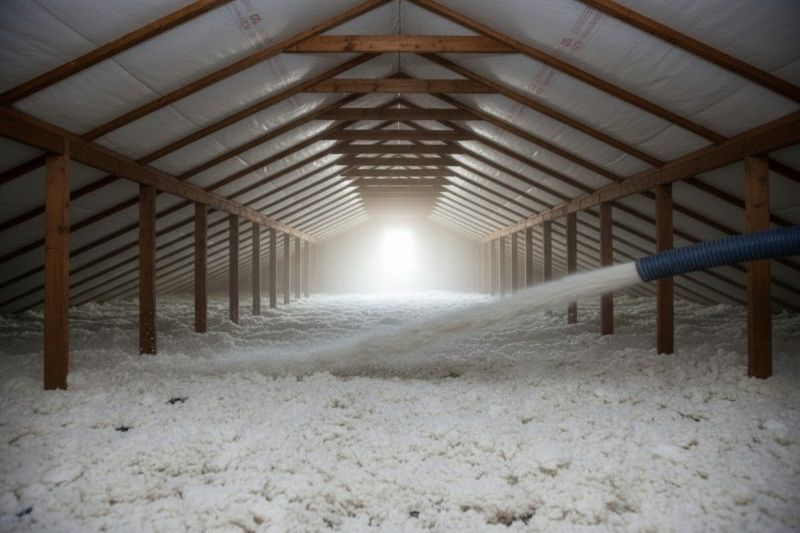
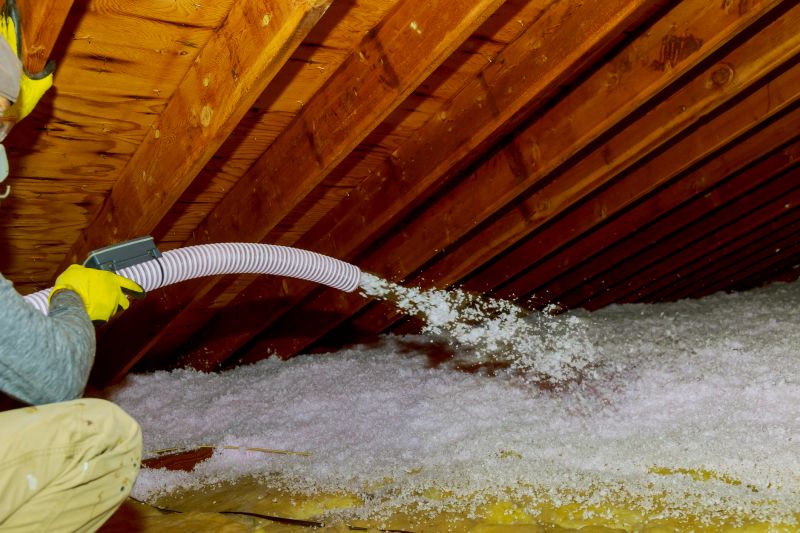
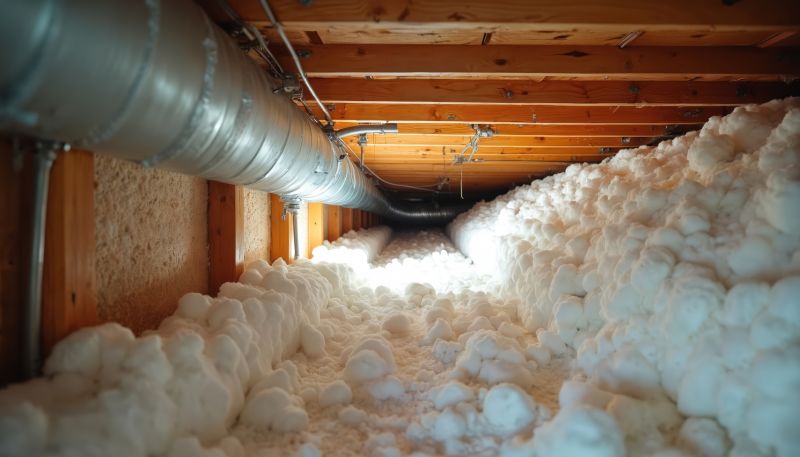
Loose fill insulation services involve the installation of lightweight, granular materials such as fiberglass, cellulose, or mineral wool into attics, wall cavities, and other areas of a property to improve thermal efficiency. This type of insulation is commonly used in attic spaces to enhance energy savings and comfort, as well as in wall voids during renovations or new construction projects. Property owners typically want to understand the types of loose fill insulation available, how it can be applied to their specific space, and the benefits it provides in terms of energy efficiency and indoor comfort.
Before requesting loose fill insulation services, homeowners should consider the current state of their existing insulation, the accessibility of the areas to be filled, and any specific needs related to energy performance or noise reduction. It is also helpful to know the recommended R-values for different parts of the home and whether the space requires additional ventilation or moisture control measures. Proper assessment ensures that the insulation is installed effectively to meet the property’s unique requirements.
Many property owners in Boulder, CO look into Loose Fill Insulation Service for repairs, replacements, upgrades, and appearance-related improvements.
Benefits Of Loose Fill Insulation
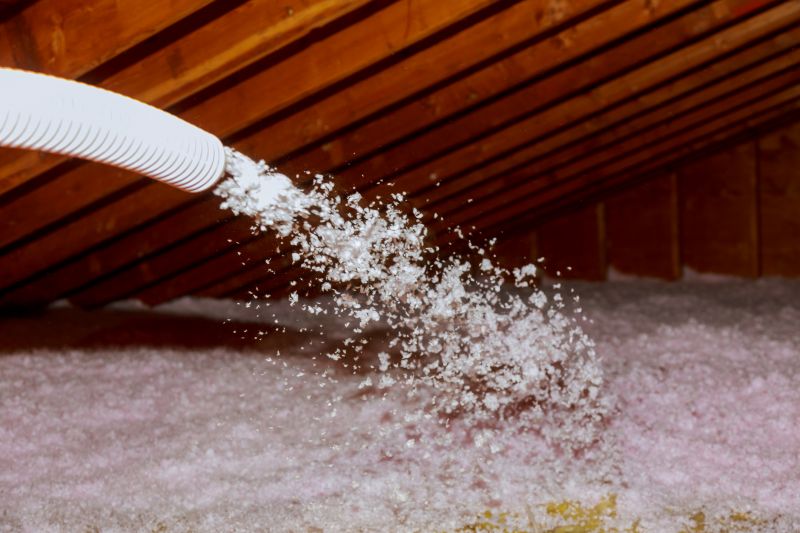
It helps improve energy efficiency and reduces heating and cooling costs in boulder homes.
Applications For Loose Fill Insulation
Ideal for insulating attics, wall cavities, and hard-to-reach spaces in residential and commercial properties.
Installation Considerations
Proper installation ensures optimal coverage and performance for existing and new construction projects.
Loose Fill Insulation Service in Boulder, CO
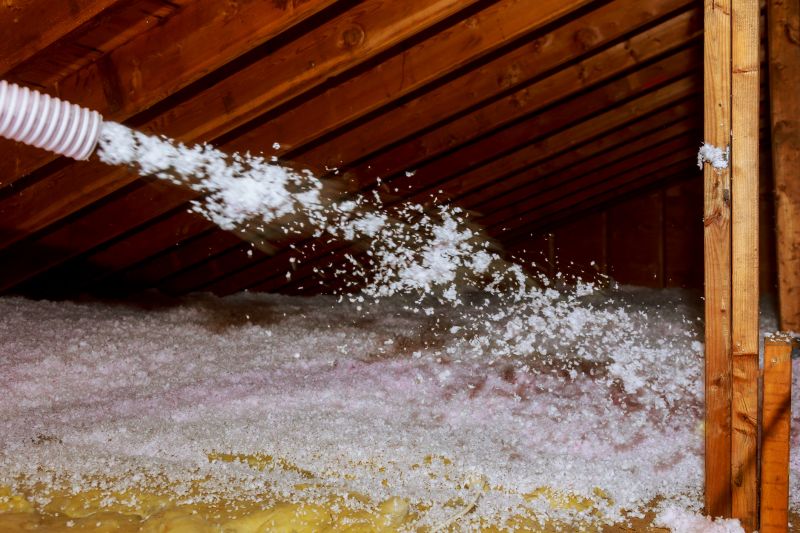
Loose fill insulation services involve the installation of lightweight, granular materials such as fiberglass, cellulose, or mineral wool into attics, wall cavities, and other areas of a property to improve thermal efficiency. This type of insulation is commonly used in attic spaces to enhance energy savings and comfort, as well as in wall voids during renovations or new construction projects. Property owners typically want to understand the types of loose fill insulation available, how it can be applied to their specific space, and the benefits it provides in terms of energy efficiency and indoor comfort.
Before requesting loose fill insulation services, homeowners should consider the current state of their existing insulation, the accessibility of the areas to be filled, and any specific needs related to energy performance or noise reduction. It is also helpful to know the recommended R-values for different parts of the home and whether the space requires additional ventilation or moisture control measures. Proper assessment ensures that the insulation is installed effectively to meet the property’s unique requirements.
Many property owners in Boulder, CO look into Loose Fill Insulation Service for repairs, replacements, upgrades, and appearance-related improvements.
Common Loose Fill Insulation Service Jobs
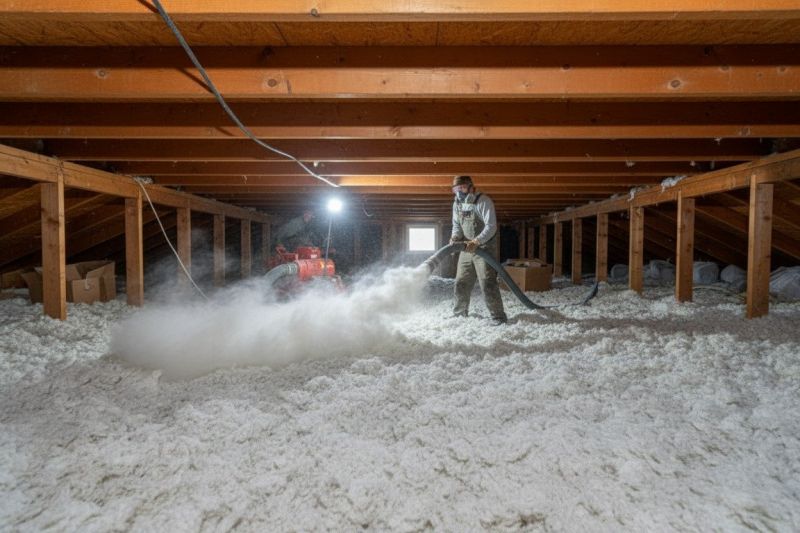
Attic Insulation - improves energy efficiency by filling attic spaces with loose fill insulation.
Wall Insulation - enhances thermal performance in interior and exterior walls.
Crawl Space Insulation - helps prevent heat loss and moisture issues in crawl spaces.
Basement Insulation - maintains consistent temperatures and reduces drafts in basement areas.
Attic Ventilation - works alongside insulation to promote proper airflow and prevent moisture buildup.
Retrofit Insulation - upgrades existing insulation to improve home comfort and energy savings.
Loose Fill Insulation Service Questions
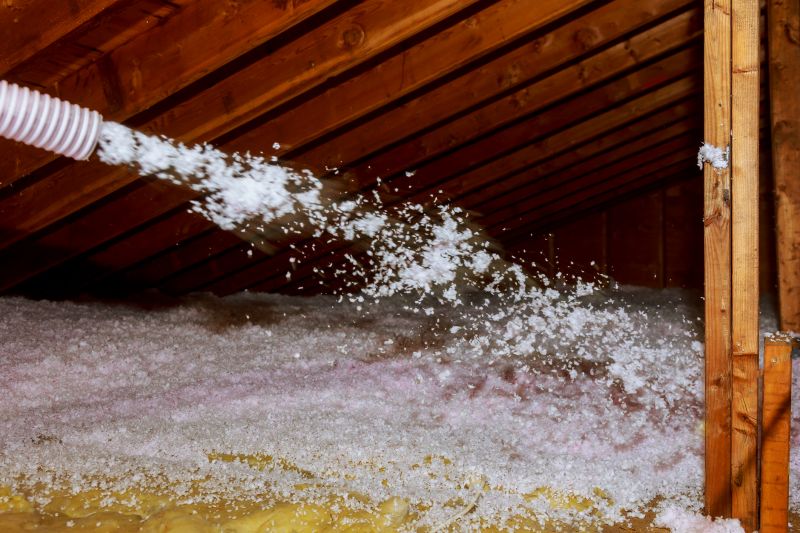
What is loose fill insulation? Loose fill insulation consists of small fibers or particles that fill gaps and cavities in walls, attics, and floors to improve thermal performance.
Where is loose fill insulation typically used? It is commonly used in attics, wall cavities, and hard-to-reach areas to enhance energy efficiency and reduce drafts.
How does loose fill insulation improve energy efficiency? It minimizes air leaks and heat transfer by sealing gaps, helping to maintain consistent indoor temperatures.
What materials are used for loose fill insulation? Common materials include fiberglass, cellulose, and mineral wool, each offering different benefits for insulation projects.
Request Loose Fill Insulation Service in Boulder, CO
Use the quote form on this page to share the basics of your project and request more information for the type of work you need.